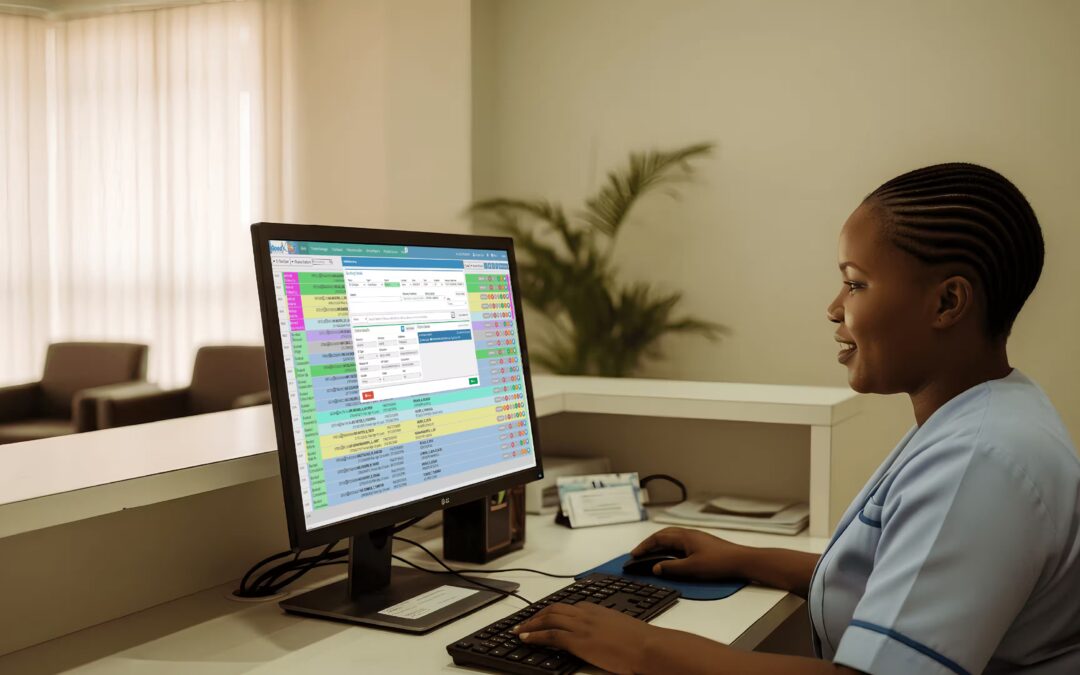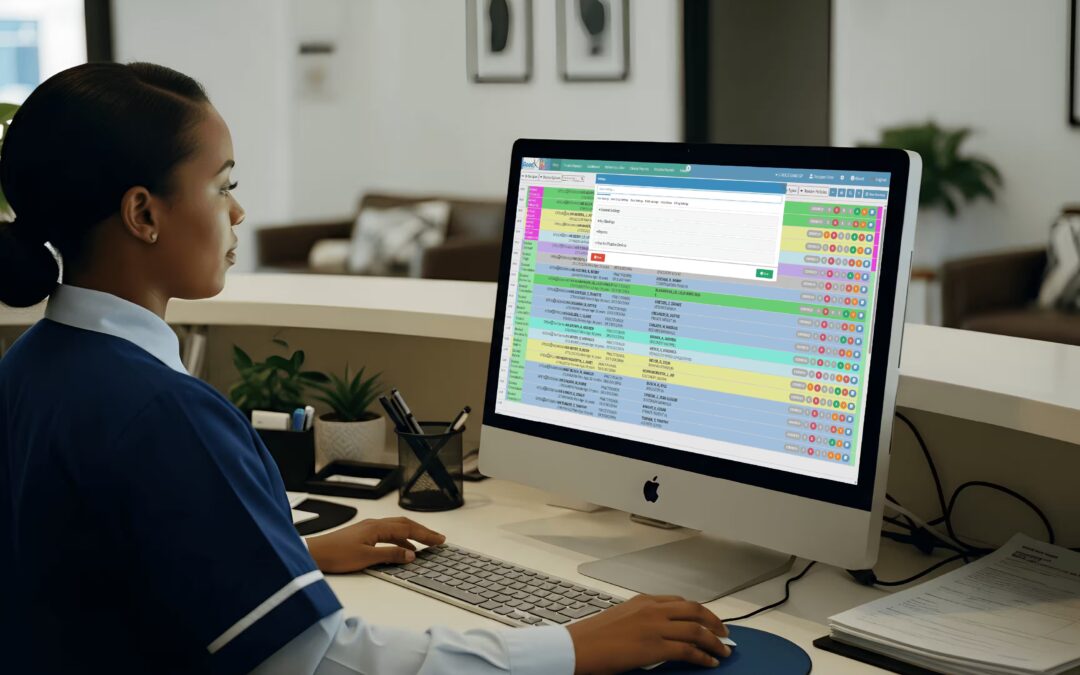
Eye care in Botswana is at a turning point. Many clinics still run on paper records, and the cracks are starting to show. Files go missing, handwriting slows down referrals, and patients with chronic conditions like glaucoma end up waiting longer for follow-up than they should. Ophthalmology EHR systems are no longer a “nice to have” for clinics that want to keep pace with patient demand. They are becoming the baseline.
GoodX Software has been working with practices across Botswana to make that shift practical rather than painful. The platform was built for medical workflows from day one, with ophthalmology-specific functionality layered into the same system that handles billing, scheduling, and patient records.
Why Paper Records Are Holding Eye Care Back
The numbers around vision impairment in Botswana tell a clear story about the scale of the problem clinics are dealing with. According to the IAPB Vision Atlas country profile for Botswana, thousands of Batswana live with avoidable vision loss, and cataract surgical coverage data points to ongoing gaps in service delivery, especially outside metropolitan areas. Paper systems make those gaps worse. When a patient moves between a regional clinic and a specialist in Gaborone, their history often does not travel with them, and clinicians end up working with incomplete information.
Glaucoma, diabetic retinopathy, and age-related macular degeneration all require careful tracking over years. A patient chart that lives in a filing cabinet cannot do that job reliably. Misplaced files, unreadable notes, and slow retrieval times add real risk to clinical decisions.
What Ophthalmology EHR Actually Changes
Moving from paper to a proper EHR is not just about scanning old records and calling it done. The clinical research backs this up. A peer-reviewed study on EHR implementation in academic ophthalmology, available through the National Library of Medicine, found that while EHR adoption is a significant operational change, it supports improved documentation completeness, better charge capture, and stronger continuity of care over time.
For a Botswanan ophthalmology practice, that translates into a few practical things. Visual acuity results, IOP readings, and refraction data get captured in structured fields instead of margin notes. Imaging from OCT scans, fundus photography, and slit-lamp findings can be attached directly to the patient record. Pre-op and post-op cataract workflows run on consistent templates rather than improvised paperwork. Follow-up appointments get scheduled and tracked without anyone having to flip through a diary.
How GoodX Approaches Ophthalmology Workflows
GoodX did not take a generic medical software and slap an “ophthalmology” label on it. The platform supports structured data capture for eye exams, appointment scheduling, clinical documentation, billing, and medical aid claims in one connected system. Clinicians log in through a web browser, which means a specialist can review a patient’s history from the consulting room or from a satellite clinic without needing duplicate files.
Local support matters here too. Implementation, training, and ongoing help come from a team that understands Botswanan medical aid structures, regional connectivity realities, and the way smaller practices actually operate.
Compliance and Patient Data Protection
Botswana’s Data Protection Act creates real obligations for any practice handling sensitive health information. As outlined in the DLA Piper data protection guide for Botswana, health records fall under sensitive personal data and require specific safeguards around processing, storage, and access. Paper systems make that almost impossible to enforce. There is no audit trail when someone pulls a file off a shelf, no automatic backup if the office floods, and no easy way to demonstrate compliance during an inspection.
A properly built ophthalmology EHR handles those requirements as part of normal operation. User access is logged, data is encrypted and backed up, and patient rights around access and rectification can be acted on without a manual search through filing cabinets. GoodX is built with these compliance realities in mind, which removes a major risk from the practice manager’s plate.
Making the Transition Workable
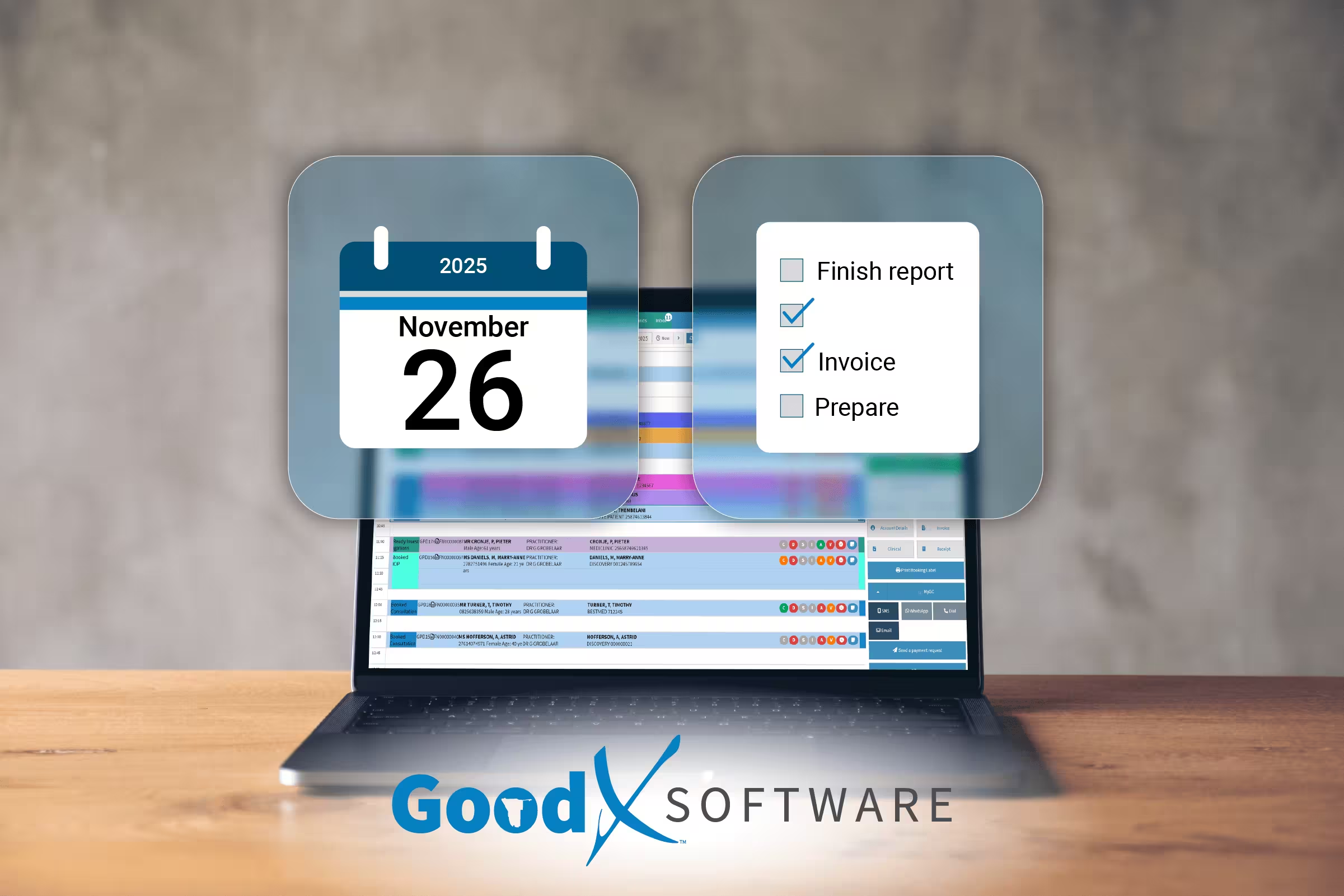
The most common objection to moving away from paper is not philosophical. It is practical. Staff are busy, budgets are tight, and the idea of disrupting daily workflow during a software rollout puts most practice owners off. GoodX addresses this through scalable packages, hands-on training, and an implementation approach that matches the size and pace of the clinic. Smaller practices do not need to buy enterprise-level infrastructure to get started. Larger clinics get the support they need to migrate properly without losing weeks of productivity.
Training is tailored to actual roles. Front-desk staff learn the parts of the system they will use every day. Optometrists and ophthalmologists get walked through clinical workflows in the way they actually work, not in the way a software demo would suggest.
Where Botswanan Eye Care Goes From Here
The clinics that move first will have a real operational advantage. Cleaner records, faster billing, better follow-up rates, and a clearer view of patient outcomes over time all compound. The clinics that stay on paper will keep losing ground, and not just on efficiency. Patients increasingly expect digital communication, online booking, and faster turnaround on referrals and reports.
GoodX exists to make that transition straightforward for Botswanan eye care practices. The platform is ready, the local support is in place, and the case for moving is no longer theoretical.
If you are ready to reduce paperwork, tighten up your workflows, and bring your eye clinic into a properly digital era, GoodX Botswana is here to help.