Why dietitian software matters when your diary and your notes live in different places
It’s Monday, 8:15. A client rings to ask whether her review is today or Thursday, the paper diary says one thing, your phone says another, and last month’s food diary is somewhere in a folder you last saw on Friday. Most dietitians in Botswana have lived some version of that morning. Good dietitian software exists to stop it happening.
The work itself is rarely the problem. You assess, you counsel, you adjust the plan, you see the client again in three or four weeks. The trouble is everything that has to hold together between visits: bookings, measurements, meal plans, referral letters, invoices and the small promises you made in the room (“send me your readings next week”).
This article looks at how to manage nutrition consultations and follow-up in a single system, what to ask for when you compare options, and where a platform like GoodX fits. It draws on lessons from scheduling research, electronic record studies and work on telemedicine in Botswana, but everything here is written with a Botswana practice in mind: Pula invoices, medical aid claims and a small team wearing several hats.
Nutrition consultation management: keeping the first visit and the fifth visit connected
Nutrition care is cumulative. A client with type 2 diabetes doesn’t change in one sitting, and the value of the fifth consultation depends on how well you remember the first. That’s a records problem before it’s a clinical one.
Think about what you actually need at your fingertips when a client walks in. Their history, allergies and medication list. Last visit’s weight, waist measurement or HbA1c if they’ve shared it. The goals you agreed, and whether they’ve been met. If you have to hunt for any of that, you’re spending the consultation on admin.
Botswana’s priority health problems make this concrete. A meta-synthesis of telemedicine recommendations for Botswana lists HIV, tuberculosis, heart disease, stroke and diabetes among the main issues, and nutrition sits close to every one of them. A client on antiretroviral therapy, another recovering from TB, a third managing blood pressure after a stroke: each needs different notes, different targets and a different rhythm of review. A single structured record per client, rather than a pile of loose documents, lets you see all of that quickly.
Typing time matters too. The American Medical Association has described organisations that cut the time clinicians spend in the electronic record through shared templates, tidier screens and fewer interruptions, with some saving tens of minutes a day. Those are large health systems abroad, so don’t expect identical numbers, but the lesson travels. If your software makes you click through six screens to record a weight, you’ll stop recording it. Look for templates you can shape around your own consultation flow, such as an initial assessment, a review and a paediatric growth check.
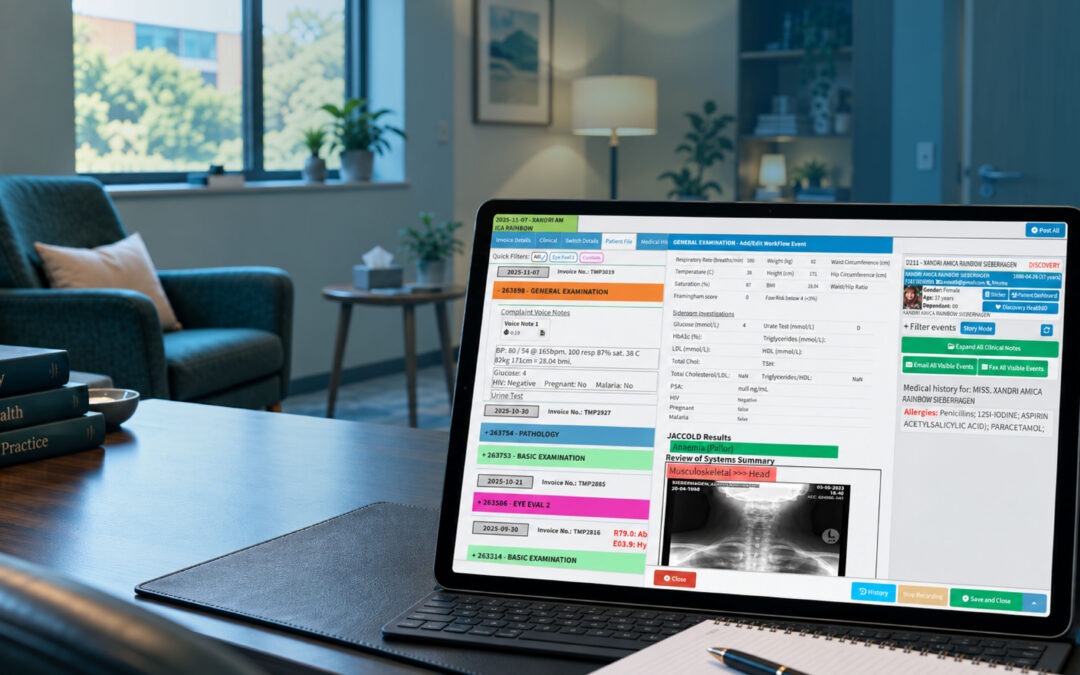
Electronic health records for dietitians should also respect how you really work. That means room for anthropometrics, dietary recall, supplements, lab results and free-text counselling notes, without forcing you into a layout built for a GP’s five-minute visit.
Dietitian follow-up records: where client progress tracking is won or lost
Most nutrition plans don’t fail in the consulting room. They fail in the weeks afterwards, when the client hits a wedding, a funeral, month-end budgets or a stretch of night shifts. Your follow-up records are how you catch that early.
Good client progress tracking is mostly about being able to see change over time without building a spreadsheet by hand. Weight trends, blood glucose readings, food diary themes, goals set and goals met. When you can see three visits side by side, the conversation changes from “how have you been?” to “your fasting readings dropped in March, then crept up again, what happened?”
Here’s a small example. A dietitian in Gaborone sees a client with high blood pressure every four weeks. Without a good record, she relies on memory and a few handwritten lines. With a structured one, she notices that sodium-related advice was given twice, the client’s readings improved after the second visit, and a planned review was missed. That missed review is the thing worth acting on, and a recall list would have flagged it.
Telemedicine research for Botswana points in a useful direction here. The same meta-synthesis recommends store-and-forward approaches as the simplest fit for local infrastructure, meaning information is captured and sent when it suits both sides, rather than needing a perfect live video connection. For a dietitian, that can be as modest as a client sending photos of meals or a readings log between visits, which you review and file against their record. It suits patchy connectivity, and it suits busy clients who can’t always get away from work.
Whatever you choose, keep follow-up records tidy enough that someone else in the practice could pick them up. If you’re away for a week, a colleague should be able to open the file and know what was agreed.
Privacy sits underneath all of this. Botswana has been updating its data protection rules, and a summary of the new Data Protection Act is worth reading if you store client health information. Health data is sensitive, so ask any software provider how access is controlled and how records are backed up. For professional registration questions, the Government of Botswana’s page on private health practitioner licensing is the place to start.
A dietitian appointment booking system that works while you’re with a client
Booking is where small practices quietly lose money. Every unanswered call during a consultation is a possible lost client, and every no-show is an empty hour you can’t resell.
A proper dietitian appointment booking system takes pressure off the phone. Clients can see available slots, choose one and receive a reminder by SMS or email, without waiting for you to finish counselling someone else. MGMA reports that only 11 percent of medical groups say most of their patients use digital self-scheduling, which tells you two things: adoption is still early, and there’s room to stand out. The same piece notes that self-scheduling combined with automated reminders can reduce admin work and no-shows, and it’s available around the clock.
That last point matters in Botswana, where many working people can only think about their health after hours. A client who decides at 9pm to finally book a weight management review shouldn’t have to wait until tomorrow’s phone call to do it. You don’t have to switch everything to online booking overnight. Many practices start by offering it for follow-up visits, where the client already knows you, and keep phone booking for first consultations.
Some practical points when setting up your diary:
- Set different appointment lengths for initial assessments and reviews, so a 60-minute first visit doesn’t get squeezed into a 20-minute slot.
- Send reminders 24 to 48 hours ahead, with a simple way to confirm or reschedule.
- Keep a short list of clients who’d like an earlier slot if one opens up.
Reminders only help if your contact details are right, so check the cellphone number at every visit. It sounds trivial. It’s often the single biggest cause of missed reminders.
Where GoodX fits into your dietitian practice
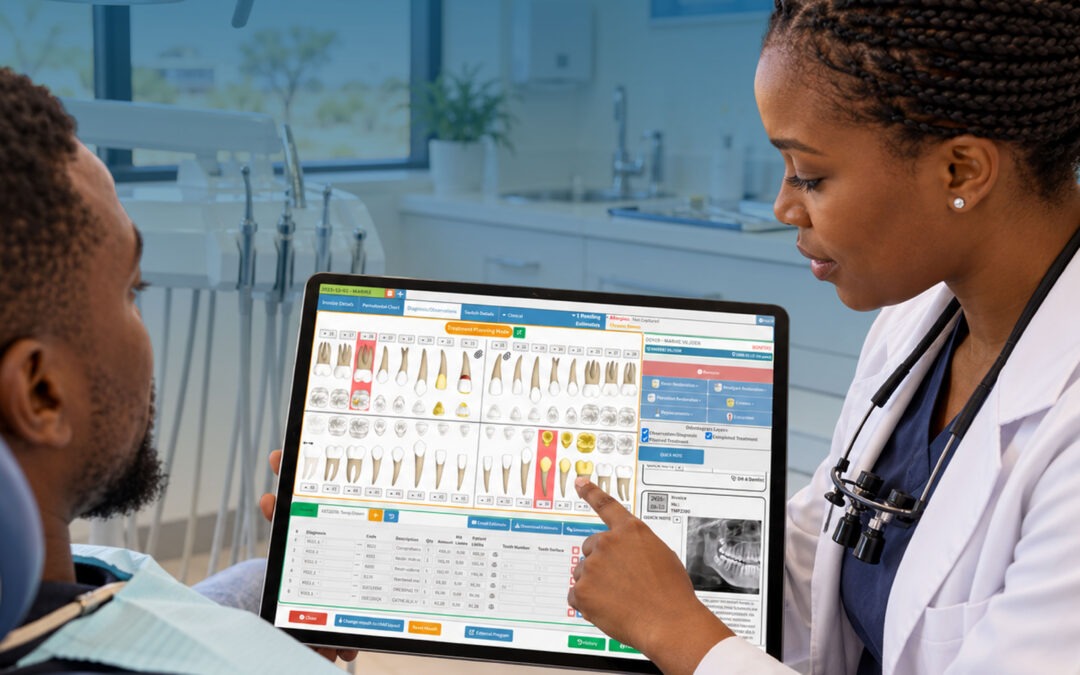
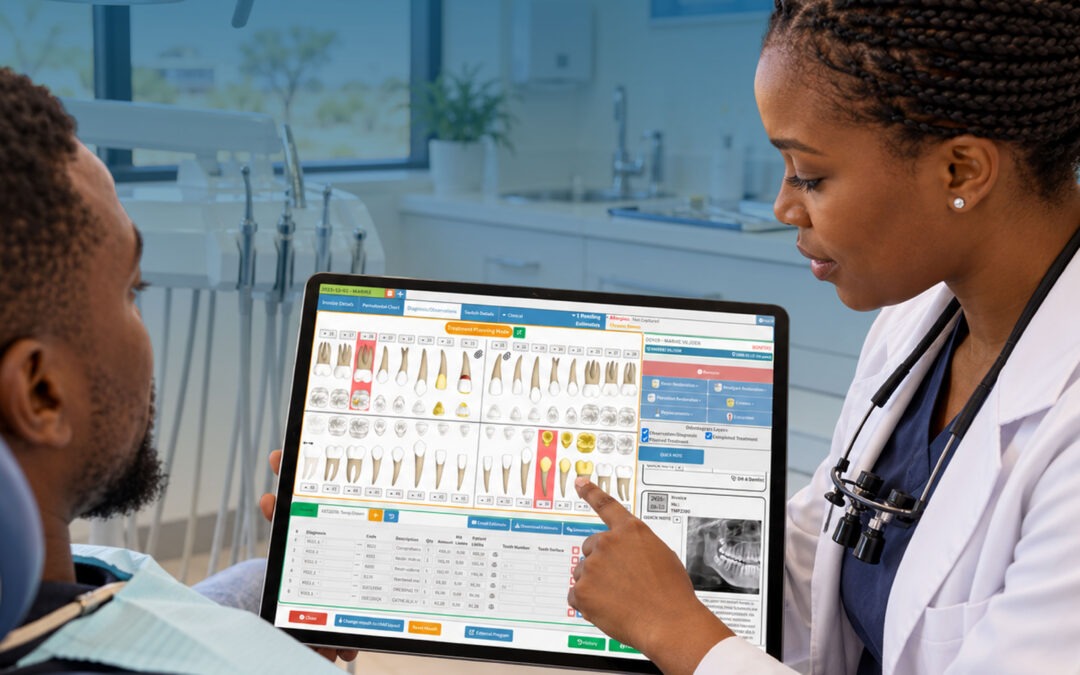
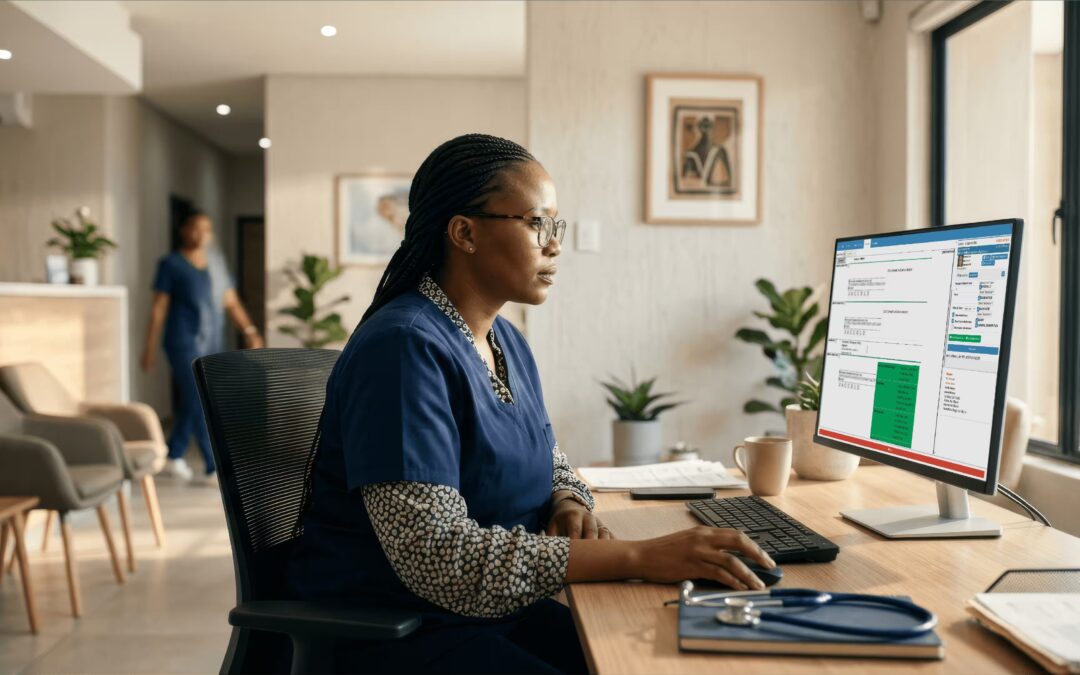
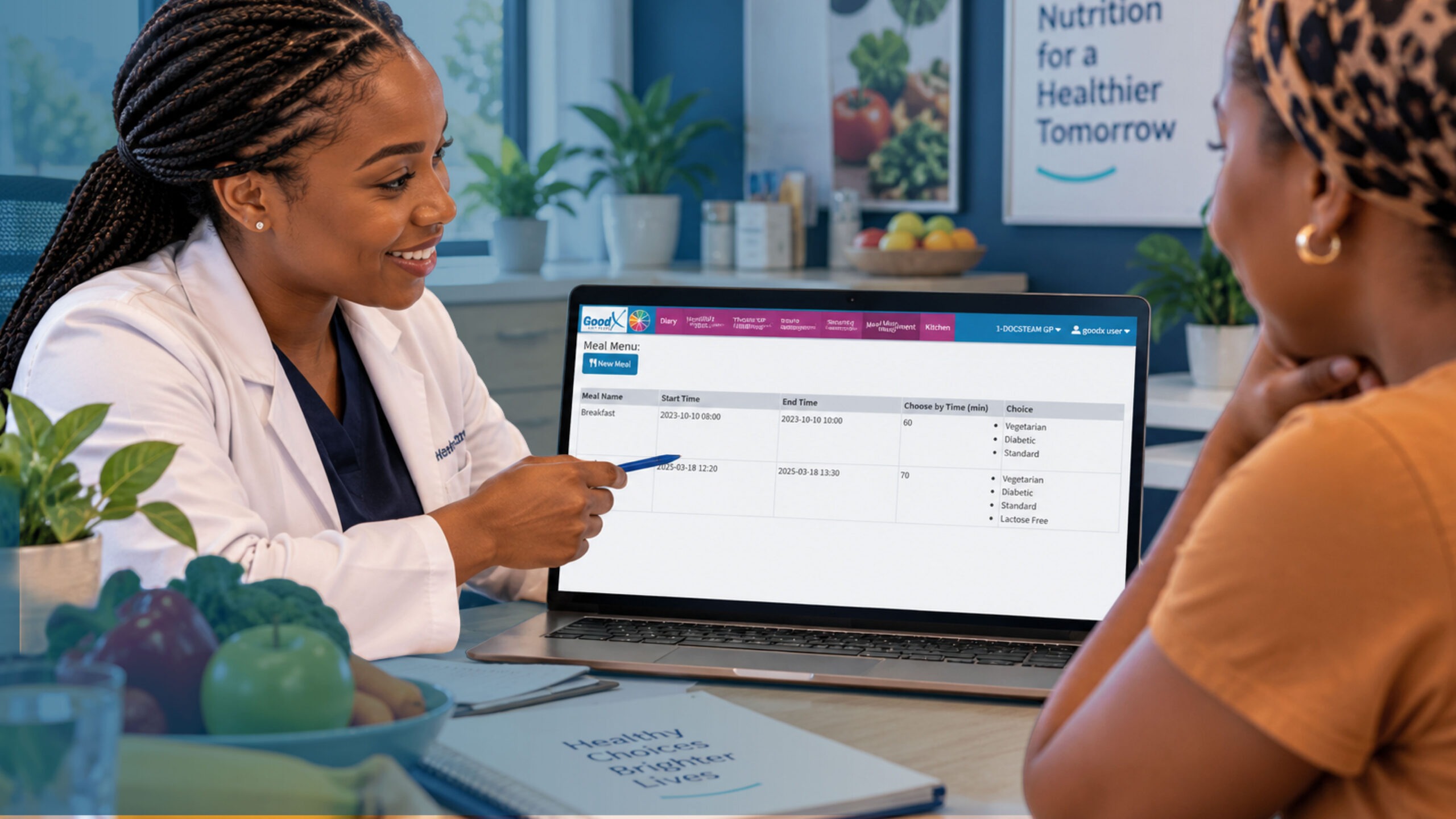
GoodX is [medical practice management software Botswana](INTERNAL LINK: medical practice management software Botswana -> GoodX Botswana homepage) practices can use to run the administrative and clinical sides of a practice from one system. For a dietitian, that means client records, bookings, billing and reporting sit together instead of in four separate tools that don’t talk to each other.
On the clinical side, GoodX supports electronic records so consultation notes, measurements and follow-up plans stay attached to the right client. On the front-desk side, it helps with diary management and appointment reminders, which reduces the phone tag that eats into your day. Billing and medical aid claims can be handled from the same record, so what you did in the consultation flows into the invoice without retyping it. Reporting then shows you how busy you are, which services bring in income and where gaps appear in your diary.
Compliance is part of the picture as well. Keeping client information in one controlled system is easier to protect than scattered paper files and personal phones. If you’d like to see how this applies to a small allied health practice, [see how GoodX supports allied health practices](INTERNAL LINK: allied health practice software -> GoodX allied health page).
Software won’t fix a disorganised process by itself. But if your process is sound and your tools are fighting you, a joined-up system gives you hours back each week. Those hours are better spent with clients than reconciling a diary against an invoice book.
Frequently Asked Questions
What is dietitian software?
Dietitian software is a system that helps you manage client records, appointments, billing and follow-up in one place. It replaces paper files and separate spreadsheets. Good versions let you record assessments, track measurements over time, send reminders and prepare invoices from the same client file.
Do I need electronic health records for dietitians if I run a small practice?
Yes, small practices often benefit most. A solo dietitian has no one to cover memory gaps, so structured records protect continuity of care. They also make it quicker to prepare referral letters, review progress and respond properly if a client asks for a copy of their information.
Can clients book nutrition appointments online in Botswana?
Yes, if your software offers online booking. Clients choose from slots you’ve made available and receive reminders. Many practices begin with follow-up visits only, then extend it to new clients once they’re comfortable. Phone booking can continue alongside it for anyone who prefers it.
How does software help with client progress tracking?
It stores measurements, goals and notes against each visit so you can see trends at a glance. Instead of relying on memory, you can compare weight, readings or dietary changes across consultations, spot clients drifting off course and plan your next review around real data.
Is client data safe in practice management software?
It can be safer than paper, provided the provider uses proper access controls and backups. Ask who can view records, how data is stored and what happens if a device is lost. Botswana’s data protection rules apply to health information, so confirm your obligations before you choose.
Book your free GoodX demo
If your diary, notes and invoices still live in different places, it’s worth seeing what one connected system looks like. Visit goodx.co.bw to book a free demo and see how GoodX could fit the way your dietitian practice runs.
Disclaimer: This article is provided for general informational and educational purposes only. While GoodX Software takes reasonable care to ensure that the information is accurate and current at the time of publication, laws, regulations, industry standards, healthcare policies and technology may change. The content should not be regarded as medical, legal, financial or other professional advice. Readers should verify information relevant to their circumstances and consult an appropriately qualified professional where necessary. GoodX Software accepts no responsibility for decisions made or actions taken solely on the basis of this content.